In a controversial plan, the European Commission wants to amend the Motor Insurance Directive in order to require all electric bike riders to have third-party liability insurance. A change of this kind has not gone down well, especially with the European Cyclists’ Federation stating that such a thing would “undermine the efforts and investments of several member states as well as the European Union in promoting sustainable mobility”. There are fewer grey areas now than there used to be when UK and EU laws were different, but some people in the industry still disagree. Although the 10% margin was clearly stated in EU legislation, its validity is in question in the UK. So in the EU, the motor can assist the cyclist up to a speed of 17.5mph, and not 15mph. Many motors exceed the tolerance to a certain extent, but some do so at the maximum speed allowed, while others do so before. Despite this, campaigners believe that the law should be changed. Several people claim that the current legal speed of 15.5mph is too slow for riders to safely navigate busy roads. Many people are working to make a higher maximum speed of 20mph. The extra power might just get you out of harm’s way at busy intersections and roundabouts – especially if you’re slightly wary.
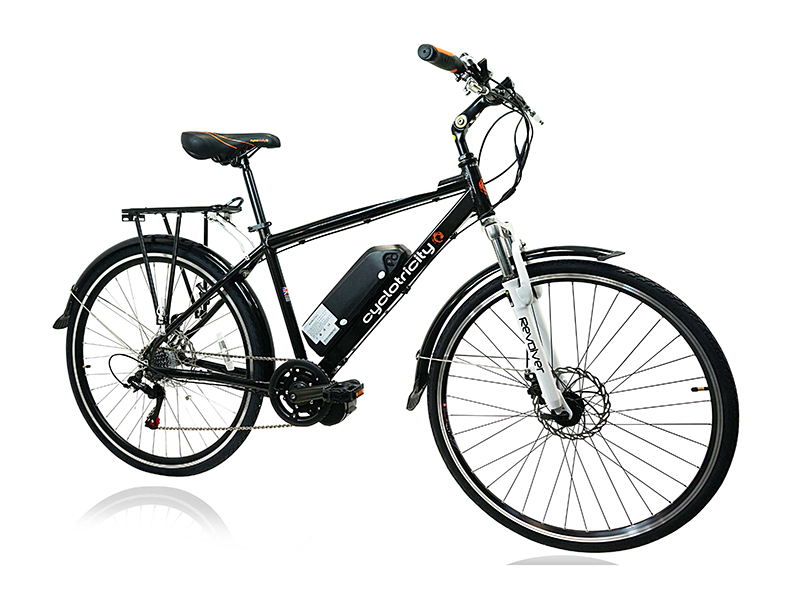
In legal matters, it’s not easy, but the best decision would be to purchase electric bikes that conform to UK and EU laws. You must register your electric bike with the DVLA, as described above, if you plan to use one that is more powerful than the current legal limit, and/or assists you faster. If you do not do so, you can lose points from your license, pay fines, or have your bike confiscated.